
It has been an exciting year for transit, with many towns and cities taking charge of their future with positive visions for pro-people and pro-planet places featuring abundant housing and walkable lifestyles. However, that enthusiasm has been tempered, and even dampened, by national policy that has reverted our posture towards resource-inefficient, low-density uses, and deliberately slowed economic development through tariffs. While “the workforce” has been a topic on everyone’s lips for some time, the transit workforce is finally getting its due. Have you ever had a ghost bus pass you by? We can’t have transit without people to operate it!
Transit workforce issues were recently covered in the Washington Post. Since the DC metro area is where Foursquare ITP is headquartered, I wanted to write something that highlights the issue during a time of year and a point in history when workforce issues are top-of-mind. What follows is a summary of some of what we’ve learned about the challenges transit agencies face, and the solutions our clients have selected in response.
From Pandemic Shock to Stabilization
The transit workforce story of the past five years reads like a tale of compounding pressures. During the peri-pandemic period (roughly 2020–2022), agencies faced what American Public Transportation Association (APTA)’s research characterized as a perfect storm: 96 percent of surveyed agencies reported workforce shortages, with 84 percent saying these shortages affected their ability to provide service. Operators were leaving not just because of concerns about contracting COVID-19, but also due to longstanding issues with compensation and work schedules that the pandemic only amplified.
The crisis wasn’t just about operators catching COVID or taking early retirement, though those were real factors. It was about how the volatile environment exposed structural weaknesses that had been building for years. Compensation packages that once seemed competitive suddenly looked meager when truck driving and delivery companies were offering signing bonuses and more flexible schedules. Split shifts, limited advancement opportunities, and the stress of constant public interaction during a pandemic drove workers to other industries entirely.
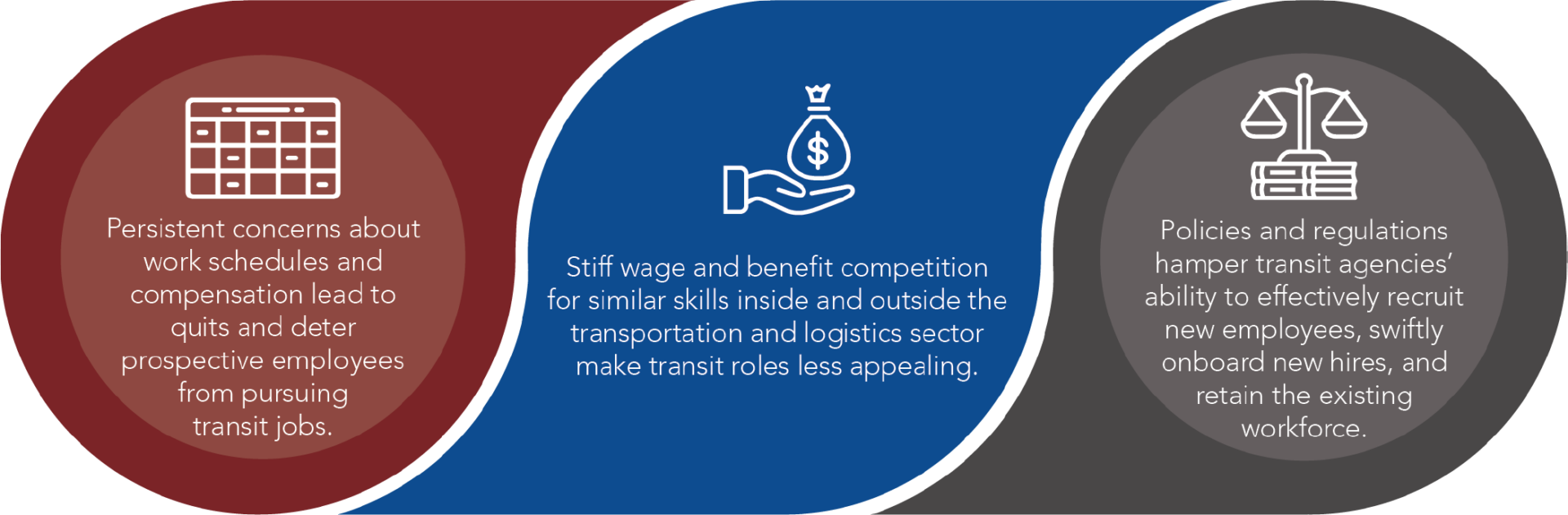
Now, into 2026, we’re seeing some stabilization—but it’s fragile. Agencies have finally started catching up with competitive benefits and pay increases. Washington Metropolitan Area Transit Authority (WMATA)’s recent adjustments have helped reduce missed trips, and systems across the country have implemented hiring bonuses and accelerated pay scales. But there’s a catch: Just as agencies have gotten better at recruitment and retention, they’re staring down a retirement cliff. APTA’s synthesis report found that 43 percent of transit workers are over 55, nearly double the percentage in the broader transportation sector.
What Actually Works?
Having worked with agencies navigating these challenges, my colleagues and I have seen that successful strategies tend to fall into a few categories, and they’re rarely about a single silver bullet.
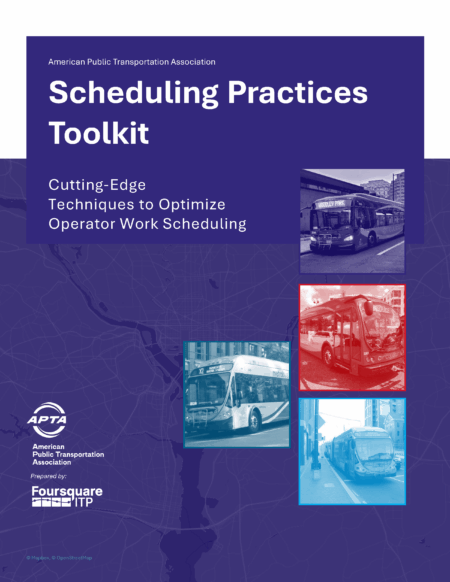
Rethinking schedules: One of the most consistent findings across industry research and our own project work is that work schedules matter—a lot. Not just how much operators are paid, but when they work, how predictable their schedules are, and whether they have any control over them. We’ve worked with agencies exploring everything from four-ten schedules to rostering systems that spread less desirable shifts more equitably across seniority levels.
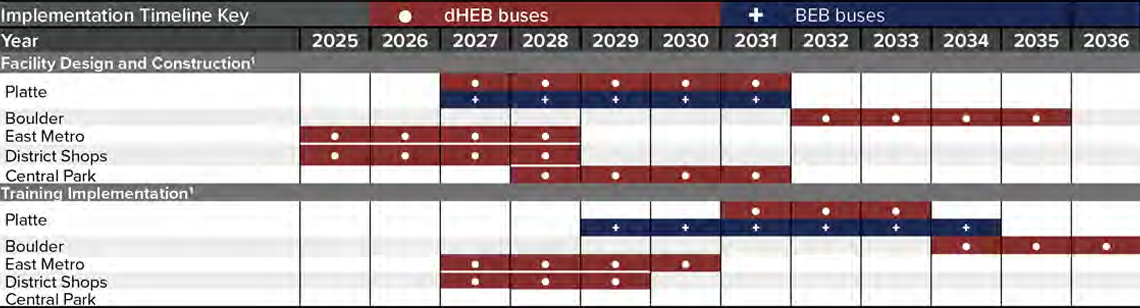
Scheduling means shifts, and it also means planning for new fleets. Denver Regional Transportation District (RTD)’s recent Facilities and Fleet Transition Blueprint incorporated workforce planning that recognized the need for phased hiring and training to support zero-emission operations and new technology implementation, acknowledging that workforce readiness had to come before fleet transitions, not after. This includes working backwards from facility construction!
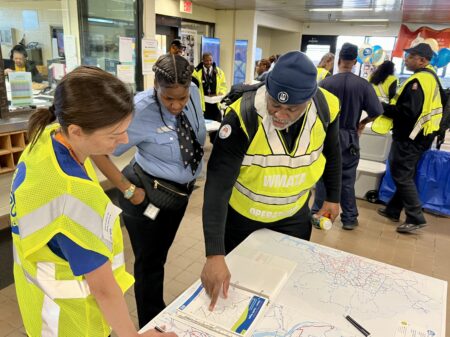
Early onboarding and training: Several agencies have found success with “early start” programs, where new hires begin receiving paychecks and getting acclimated before formal training begins. This reduces attrition in that vulnerable period between accepting a job offer and actually starting work. For mechanics, apprenticeship programs help facilitate all-important hands-on learning under experienced supervision. For operators, some agencies have extended on-the-road training by having experienced operators ride along, creating a built-in mentorship that helps new drivers feel supported during those stressful first months. In all cases, giving new staff sufficient support while learning is key to their staying for the long term.
Mental health and wellness: As documented in TCRP Research Report 245, retention is an all-the-time business for transit agencies. Transit workers face chronic stressors—aggressive passengers, traffic, schedule pressure—that the pandemic amplified. Agencies that have invested in employee assistance programs, critical incident support teams, and workplace culture improvements have seen better retention. Agencies that implement supportive programs for staff with families have had great success at convincing them to stay. It’s not just about crisis response; it’s about establishing working environments where workers feel valued for their service.
Career pathways: Workers want to know there’s somewhere to go. Clear advancement opportunities, whether to supervisory roles or lateral moves to other departments, help agencies retain talent. This is especially important for attracting younger workers who may not envision a 30-year career with a single employer but do want to see growth potential.
Looking Ahead
The near-term focus for most agencies is straightforward: continue to fill seats, both in buses and in employee positions. For most, compensation and training are keys to the short game. But the longer-term strategy requires something more fundamental—a recognition that the transit workforce is changing, and agencies need to change with it. Workers today have different expectations about work-life balance, need accommodation for family and caregiving responsibilities, and have more employment options than in the past.
The agencies that are successful aren’t the ones spending the most money—though competitive pay certainly helps—they’re the ones taking a comprehensive approach: improving schedules, investing in training and culture, creating pathways for advancement, and integrating workers into planning that affects their working conditions. They’re also the ones, like Denver RTD, who are connecting workforce planning to capital planning of fleet transitions, facility improvements, and service delivery.
If your agency is grappling with workforce challenges in the coming year and you’d like to discuss your specific situation, get in touch with Foursquare ITP. We’re here to help you figure that out.