TDM Program Evaluation: Measuring Effectiveness and Impact
Understanding Program Effectiveness and Impact
Transportation demand management (TDM) programs provide a range of services that connect people and places through sustainable transportation options and resources. These programs are designed to reduce reliance on single-occupant vehicle (SOV) travel by encouraging the use of non-drive-alone modes, such as public transit, vanpooling, carpooling, and active and micromobility transportation options, including biking, scooting, and walking. TDM programs share a common goal: to positively influence travel behavior, which in turn affects congestion, air quality, energy use, and overall quality of life.
As program administrators and TDM practitioners, we have a responsibility to funders, stakeholders, and the community to demonstrate the impact of our work. TDM program evaluation focuses on understanding effectiveness, how well a program’s initiatives achieve their desired outcomes, and assessing impact, which reflects the program’s long-term effects on people and communities. Together, these measures help tell a clear story about the value of TDM, how resources are being used, and where there are opportunities for improvement.
Why Does it Matter?
Program evaluation is more than measuring success; it’s a tool for continuous improvement. Evaluating your TDM program allows you to adapt to changing needs and make informed decisions. Whether your program is funded privately or through government resources, transparency in how funds are used is essential. Funders often have specific goals tied to the allocation of funds; In TDM, these commonly include reducing vehicle miles traveled (VMT), vehicle trips, emissions, and energy consumption. Ultimately, these insights help build trust and accountability, strengthen a program’s position for future funding, sustain funding, and support economic sustainability.
Tips for Conducting an Effective Program Evaluation
Program evaluation can feel complex, but it doesn’t have to be. By following the tips below, you can be prepared to evaluate your TDM program more efficiently and effectively.
- Define Program Goals: How does your program define success? Establish clear, measurable goals that align with your vision.
- Collect Meaningful Data: Focus on the program elements you directly implement, as well as those you support or promote. Utilize data from program-led surveys, the American Community Survey, Metropolitan Planning Organization surveys, focus groups, digital analytics, client participation records from your database, or customer relationship management database.
- Analyzing and Interpreting Results: Incorporate both quantitative and qualitative data to identify trends, strengths, weaknesses, and areas for improvement.
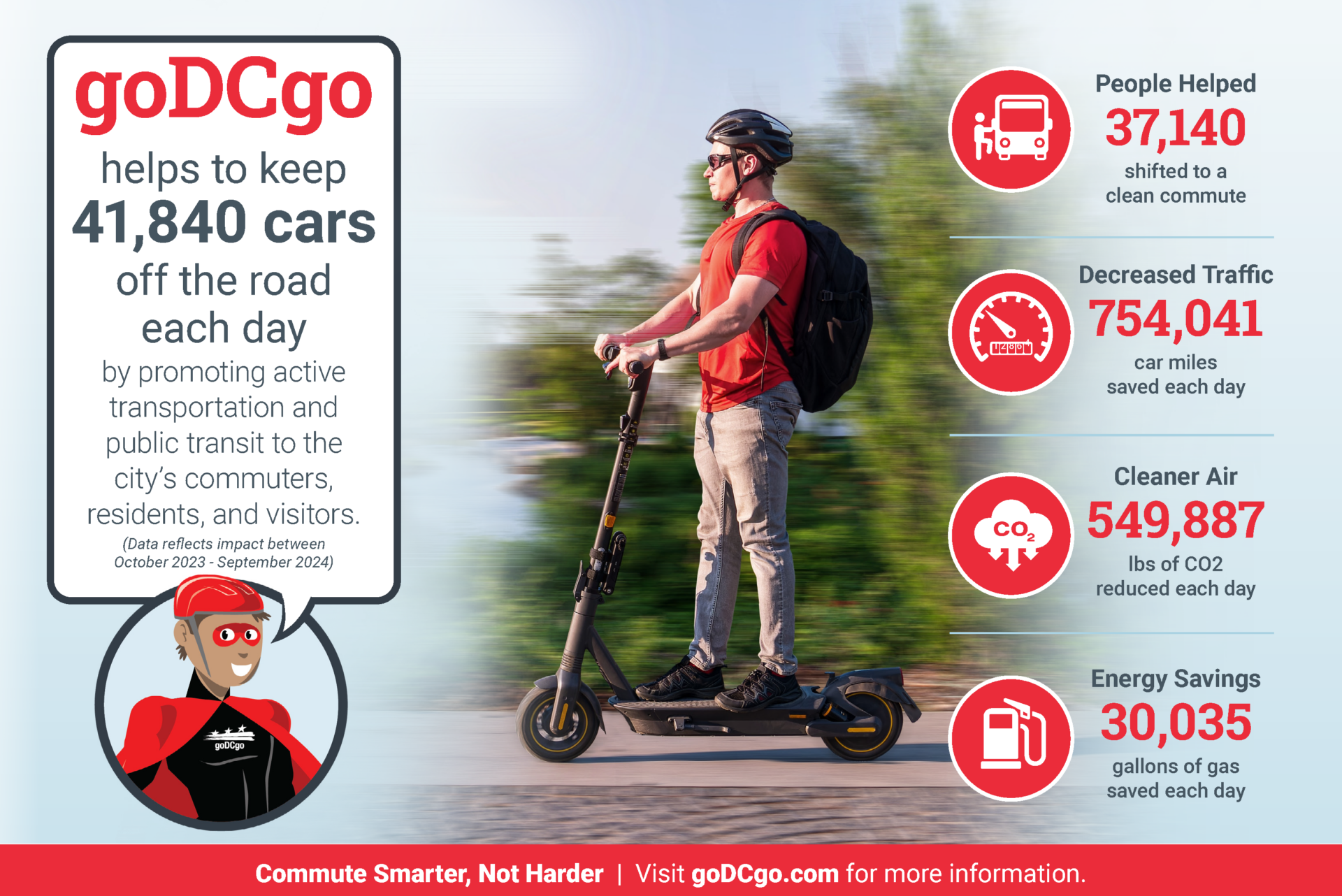
- Communicate Findings: Share results through infographics, impact reports, testimonials, or evaluation memos to highlight successes, challenges, and opportunities identified in your analysis.
- Apply what you learned: Use evaluation insights to change goals, target audiences, strategies, and approaches to support continuous improvement and stronger program outcomes.
Evaluate the effectiveness of your TDM program and initiatives using Foursquare ITP’s TDM Program Evaluator, Impact. Connect with me at dcarey@foursquareitp.com to learn more about the tool and how to develop an impact report that demonstrates the value of your TDM program.