TDM programs offer effective commuter solutions, but solutions alone rarely drive behavior change. Research shows people need to hear messaging seven times before making a change. But what happens when they never hear about it? Meaningful impact happens when programs are thoughtfully promoted, meet people where they are, and align with what commuters truly value. From a programmatic planning perspective, when marketing and outreach operate in silos, it can limit awareness, affect participation in program services, and hinder informed decision-making among commuters. Marketing builds awareness while outreach drives action and aligning these efforts can create a powerful force that boosts visibility, strengthens engagement, and supports long-term behavior change.
This article uncovers the role of marketing in TDM programs, the downside of siloing marketing and outreach efforts, and strategies for integrating them to build more effective and impactful TDM programs.
Same Goal, Different Superpowers
TDM Marketing is the strategic process of shaping perception, building awareness, generating interest, and ultimately, adoption of sustainable transportation use. Strategies include targeted campaign development, creative material creation, tailored branding and messaging, and digital outreach such as social media and email campaigns. Marketing’s purpose is to create visibility, build understanding, and motivate individuals to explore non drive-alone options.
Outreach is direct engagement with commuters, employers, schools, property managers, visitors, or communities to move them toward participation or action. Engagement with these diverse audiences often occurs through tabling events, one-on-one consultations, workshops, presentations, program enrollment assistance, and personalized trip planning. Outreach’s purpose is to convert interest into action by providing education and assistance, and engagement that builds trust and lasting relationships.
How Marketing Drives Behavior Change
- Builds Awareness: Many commuters, residents, and employers simply don’t know how to navigate transportation challenges or understand the options and solutions available to them. Marketing ensures program services and resources are visible, accessible, and clearly understood.
- Creates Relevance: Effective messaging helps people see how sustainable transportation fits into their daily lives and addresses their personal needs.
- Sets the Stage for Outreach Teams: By leading with tailored messaging and strategic touchpoints, marketing primes audiences so outreach teams engage with individuals who are already informed and curious, making conversion more attainable.
- Strengthens Trust and Credibility: Familiarity builds trust. Marketing’s “rule of 7” theorizes that people need to encounter a brand message approximately seven times before taking action or trusting the company. A commuter who’s already been exposed to your brand through marketing efforts will be much more likely to listen to and trust your outreach teams.
- Scales Impact: Outreach is time-intensive; marketing can reach thousands at once, helping to create leads that outreach can then convert into participation.
- Supports Long-Term Engagement: Marketing is the glue that keeps commuters connected, promotes new programs, and helps influence mode shift over time.
Integration in Practice
In many TDM programs, marketing and outreach operate in parallel rather than in partnership. They check in only when something is needed, often treating marketing like a service desk that fulfills requests rather than a strategic partner. This creates a major gap: outreach teams frequently don’t know the full range of marketing tools, strategies, or creative capabilities available to them. As a result, opportunities are missed, solutions go undiscovered, and both teams end up working harder than they need to.
Below are practical ways you can start weaving marketing into the fabric of your outreach-based programs.
- Establish Marketing Syncs Across Each Program: Set up regular touchpoints, weekly or biweekly, where marketing and outreach teams review program updates, upcoming events, and new offerings. These syncs ensure everyone has visibility into what’s being promoted, what’s launching soon, and what messages individuals are seeing in newsletters, social media, and campaigns.
- Include Marketing in Outreach Check-Ins: Outreach check-ins are where challenges surface and insights emerge. When marketing has a seat at that table, even if it’s just once a month, they can identify opportunities to amplify messaging, solve communication gaps, or support specific outreach goals. Marketing experts are trained to spot patterns and think creatively, so simply being present gives them the awareness they need to develop campaigns, materials, or strategies that directly address what outreach is experiencing on the ground.
- Build a Two-Way Feedback Loop: Strong programs rely on shared data. Outreach teams know what questions people ask at events, which materials are popular, and what misconceptions come up repeatedly. Marketing teams know which email topics get the highest open rates, what interventions to employ, what content performs well on social, and which messages inspire action. Combine those insights, and you unlock a powerful engine for content creation and lead generation. Email topics that generate strong engagement can be used to inform event themes and outreach activities; recurring event questions can turn into myth-busting campaigns, social media reels, and educational website messaging; and click data from emails can turn into a short warm lead list for outreach teams.
- Bring Marketing in Early: For a lot of programs, it may not be possible to have marketing attend outreach meetings on a regular basis. In those cases, make sure marketing is engaged early, before decisions are made, when developing a workplan, initiative, or starting a new project. When marketing has limited context about the program or incentive, its ability to tailor messaging, positioning, and strategy is limited. Involving them early allows them to shape how the program is communicated, build the right assets, and ensure campaigns launch smoothly. Even a quick early-stage briefing can prevent rework and create better alignment.
- Build a Joint Campaign/Outreach Calendar: Create a shared calendar that aligns all outreach activities with campaign timelines, major events, and program launches. This helps both teams plan, coordinate touchpoints, and avoid bottlenecks like last-minute design requests or overlapping campaigns. With a shared calendar, marketing can prepare materials timely, and outreach can plan engagement to align with major awareness pushes.
- Review Outreach Processes with a Marketing Eye: Invite marketing to periodically review outreach workflows, or, if they aren’t yet established, involve marketing in creating them. From Customer Relationship Management (CRM) workflows to automated email follow-ups and nudges, marketing can often identify process gaps or communication inefficiencies that outreach teams may not notice. Including marketing in your outreach processes can optimize messaging, streamline workflows, and improve conversions. Even small adjustments, such as refining subject lines or shifting email send times, can significantly boost engagement.
The Power of a Unified Approach
Marketing builds awareness, outreach builds relationships – and TDM programs need both to thrive. Integrating these two functions isn’t a “nice to have”; it’s an operational necessity for programs that aim to increase participation and support lasting mode shift. When marketing and outreach have synergy, the result is a strong and influential TDM program that meets people where they are, supports them through change, and delivers long-term impact for communities and commuters alike.
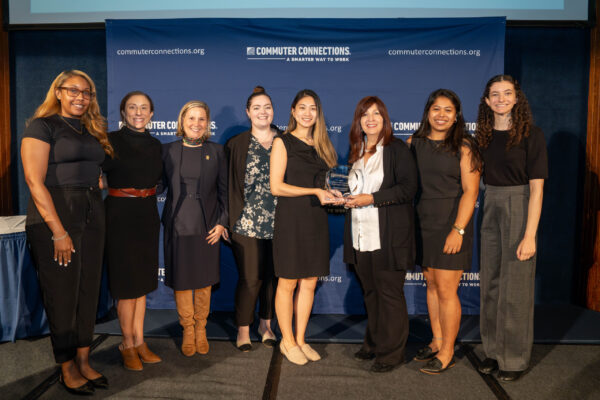
As a leader in TDM operations and marketing, Foursquare ITP has leveraged this integrated approach to drive measurable impact. Learn more about our award-winning programs and the best practices that set our work apart https://www.foursquareitp.com/tdm-4/.