You asked for ridership numbers and got two different answers. An analyst tells you the data is available but requires extensive cleaning before they can get it to you. A different staff member pulls a canned report, but it doesn’t use your agency-specific workflow. The root cause isn’t training or an SOP failure; it’s your data infrastructure, and it’s a challenge many agencies are actively solving.
The Challenge
Transit agencies generate enormous volumes of data during routine operations—from passenger counters, fareboxes, and vehicle location systems. Turning that raw data into actionable intelligence is harder than it looks:
- Staff spend hours carefully cleaning and curating data before they can do any analysis.
- Every vendor stores data differently, so combining sources requires carefully checking that the data aligns.
- The sheer volume of data makes even canned reports slow to run.
This problem has already been solved for scheduled service information. The General Transit Feed Specification (GTFS) was established as an open, accessible standard for scheduled service, providing a single framework for agencies, vendors, and tools to build on. Transit Integrated Data Exchange Specification (TIDES) extends this idea to historical operational data. It describes what actually happened during service for passengers, vehicles, and fares collected, and it gives a common framework for auditing data and building out tools.
The Solution
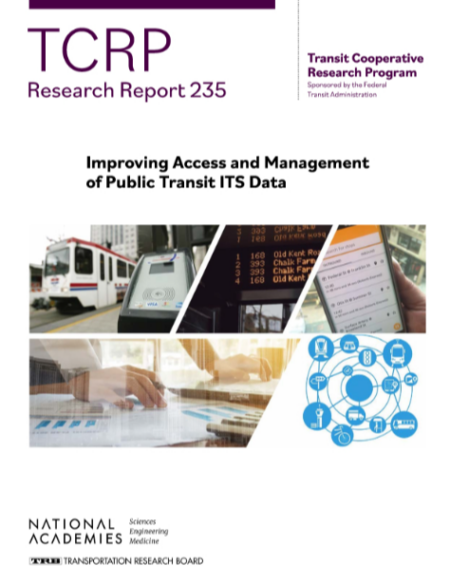
TIDES offers a solution to these data management challenges. It was developed based on findings from TCRP Research Report 235: Improving Access and Management of Public Transit ITS Data, which Foursquare ITP helped put together. Today, the standard is maintained by Mobility Data, the same organization that maintains GTFS, in partnership with transit agencies and their partners.
Why TIDES?
Transit data is big data, and both access and effective documentation remain real challenges. TIDES addresses this by providing a structured format and detailed documentation directly from the specification. With TIDES, you can focus on tools that work with this open standard (similar to using GTFS as a data source), letting vendors and partners focus on working with a well-documented, open standard rather than reverse-engineering vendor source data and performing cleanup steps.
As TIDES continues to gain momentum, a growing ecosystem of reference implementations, reports, and tools supports and works with this data. TIDES is also an effective foundation for activities such as National Transit Database (NTD) reporting, as there is growing demand to use it as a source for calculating NTD metrics.
Getting Your Data to TIDES
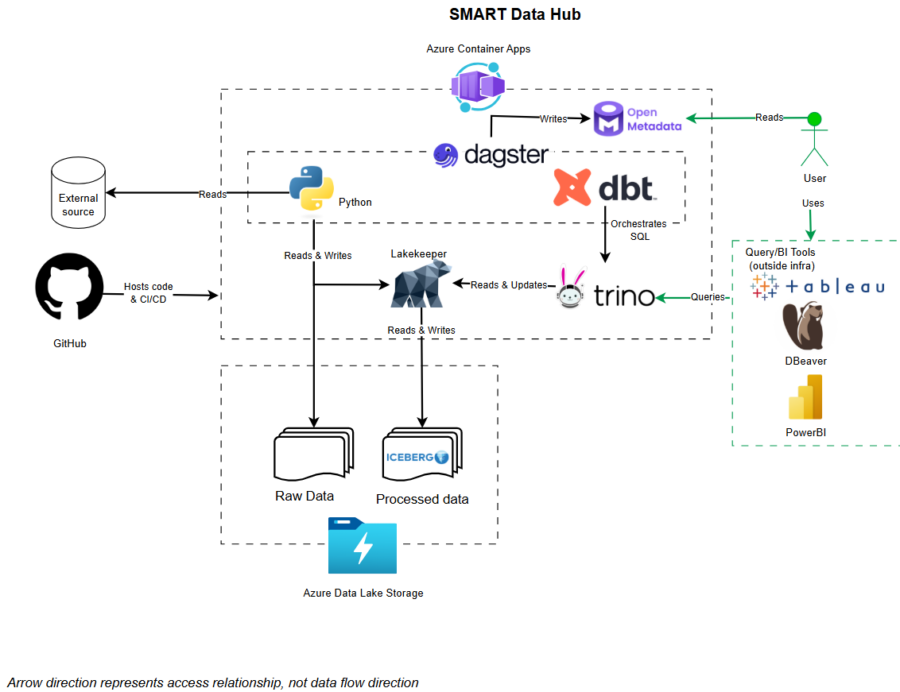
TIDES describes how historical transit data should look, but it does not prescribe how agencies should generate that data. In an ideal world, vendors would provide this out of the box. Some procurements are now requiring this, but many still do not. Until they do, agencies can use programming languages such as SQL or Python, or tools such as dbt, to support this effort.
Foursquare ITP used dbt extensively as part of WMATA’s SMART Data Hub project, bringing data from multiple source systems into a single data warehouse. TIDES-compliant tables and downstream reporting were core deliverables. The result of that engagement is available as a report and an open-source repository.
How Can You Use TIDES?
TIDES is an emerging standard, gaining momentum as more agencies adopt it and tools are developed. Connect with me at sschrayer@foursquareitp.com to discuss where your agency stands now, your data needs, and how TIDES can benefit your agency.